
LXD Chats:
A Safe Space That Became the Bright Spot
📋The Overview
This project started with a pattern I couldn’t ignore. The same mistakes, from different designers, over and over.
As Captain of Content Quality, I was having the same conversations one designer at a time. So I proposed a space where designers could solve problems together.
The answer wasn’t a full yes. It was a smaller one. I took it, built trust one session at a time, and let the results make the case for growing it.
⚡Quick Facts
Role: Captain of Content Quality, program creator, and facilitator
Organization: Learning & Development, remote team
Tools Used: Google Meet, email summaries
Outcome: Grew from an optional biweekly pilot to a weekly meeting, backed by employee feedback
Skills:



🔍The Problem
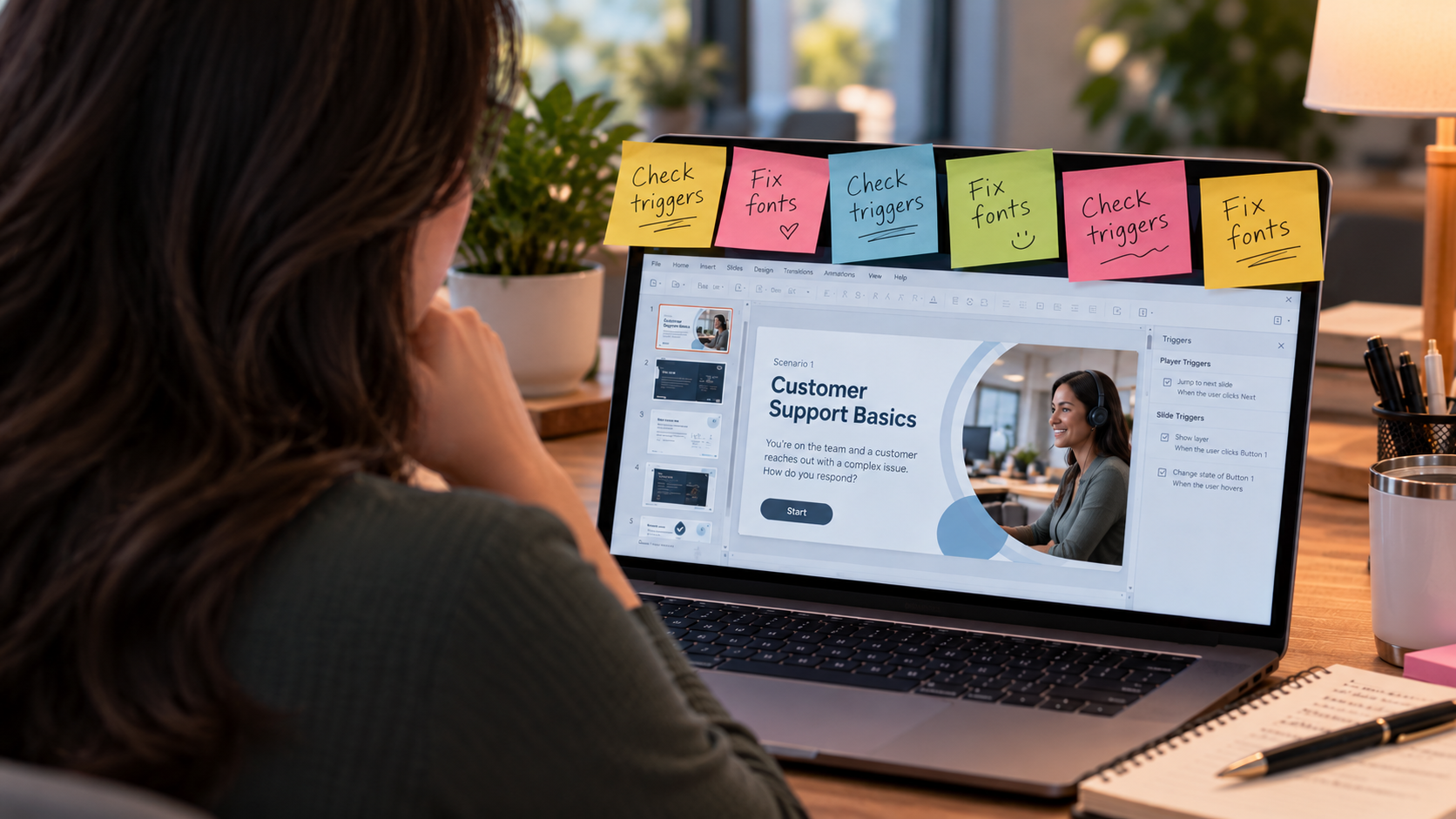
Every course on the team came through my quality reviews. That gave me a clear view of something no one else could see: the same errors were showing up across multiple designers.
Each fix happened in a separate conversation. There was no shared space for designers to:
raise issues before they grew
talk through software changes
flag what was slowing them down
learn from each other’s mistakes
The problem wasn’t individual performance. It was the absence of a shared channel.
📊The Research
My quality reviews were the first signal. The errors weren’t isolated. They were patterns. And patterns don’t get solved one conversation at a time.
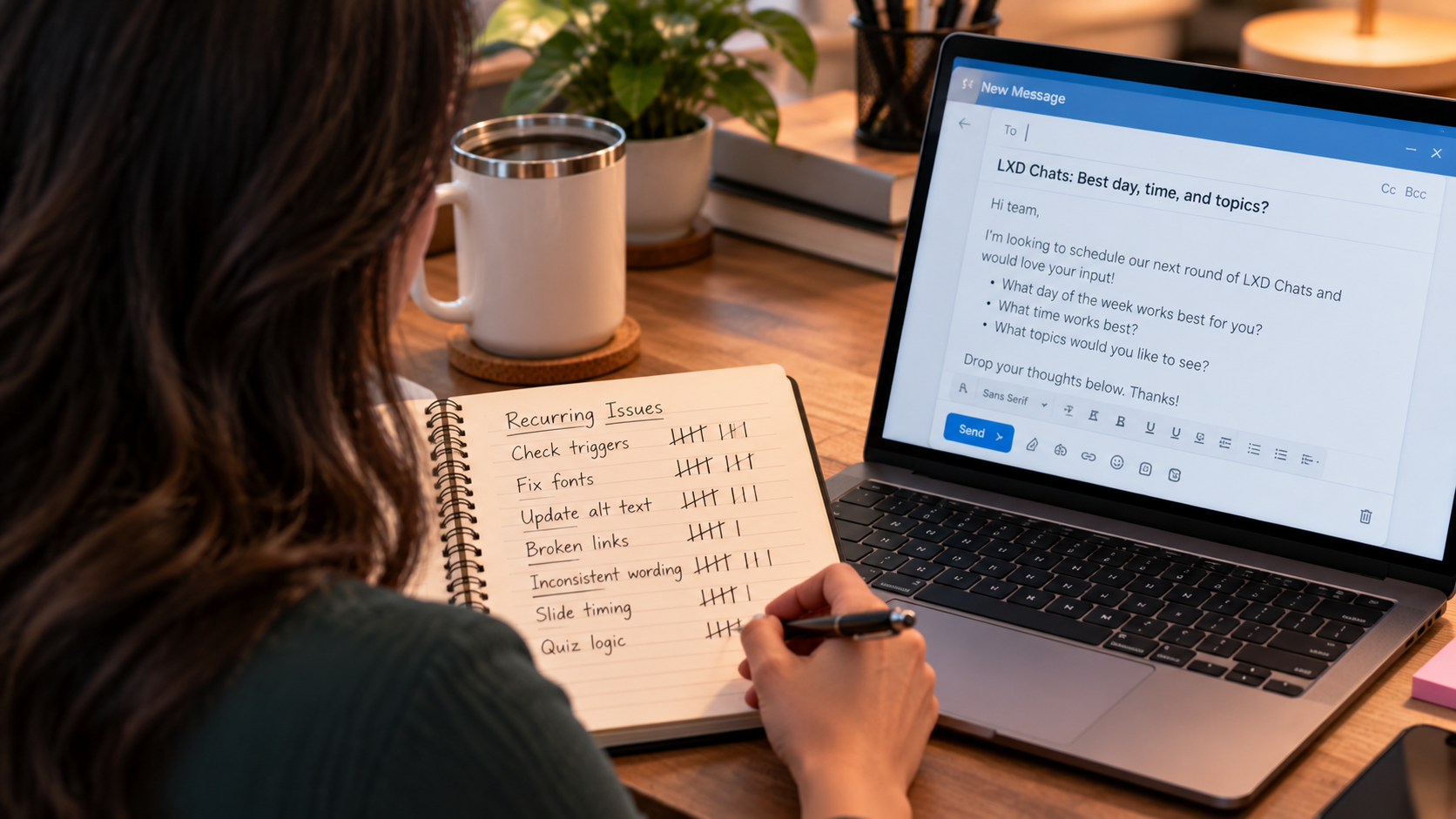
Once the forum was approved, I went straight to the people it was for. I asked the designers for their preferred day and time and the topics they wanted covered, so the meeting was built around their needs from the very first session.
🔀The Options
Getting to the first session took more than one conversation. The owner wasn’t sure a recurring meeting was a good use of time, especially at the hour a week I proposed. She asked me to present the idea to the full leadership team, which put three paths on the table:
Keep correcting one on one. The status quo. It handled each error but repeated the same effort and never got ahead of problems.
A weekly, hour-long designer forum. My original proposal. An open, unrecorded space for designers to raise issues and solve them together.
A smaller pilot. Most of leadership supported the forum for consistency and early problem detection. After more thought, the owner approved 30 minutes every other week, optional, with a summary email sent to her after each session.
It was far from what I wanted. But something is better than nothing. I took the smaller yes and designed for the time I had.
🗺️The Plan
Build the format around trust.
Designers only. Leadership wasn’t in the room.
No recordings and no notetaker bots. People could speak freely.
Anonymous summaries. The follow-up email captured issues, never who raised them.
No surprises. At the end of each session, I reviewed with the group exactly what would go in the summary.
Follow-through. Anything that needed leadership attention went to the next leadership meeting, and I brought the answer back.
🔨The Build
The first session. I did most of the talking, explaining the format, who the space was for, and what designers could expect. Then I followed up with exactly what I said I would.
The second session. Designers started raising issues I hadn’t known existed. One example: courses were sitting dormant because SME reviews kept coming back late, and designers had to follow up again and again. That pain point went to leadership and opened a clearer conversation about reviewer availability and timelines.
The focus. Patterns, not individuals. When several designers made the same error, we addressed it once as a group. When someone brought a personal question, working through it together gave everyone else something to watch for.
The shift. Over time, we got proactive. We stayed on top of software updates and kept templates current instead of reacting after problems showed up.
Because I did exactly what I said I would, every session, trust grew.

🎯The Outcome
After months of biweekly sessions, the company ran an employee survey asking what was going well. Morale was low and much of the feedback was hard to hear. But about half of the responses named LXD Chats as a bright spot.
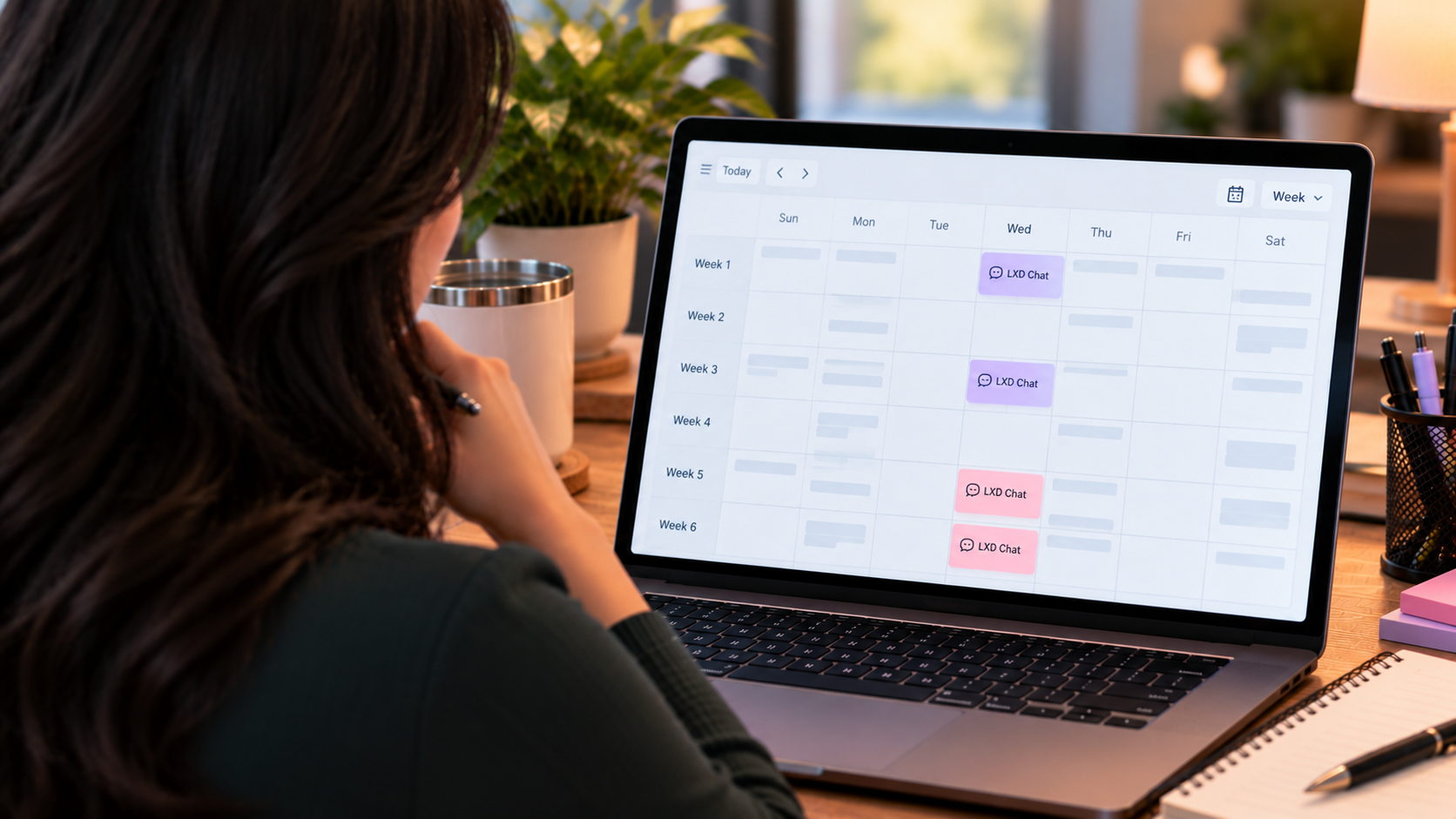
When leadership asked what quick win could help morale, I didn’t jump in right away. I let the room think. Then I shared that finding and proposed moving the chats to weekly. A low-cost change, backed by what employees had said in their own words. The owner agreed.
LXD Chats became a highlight of the week for some designers. They started sending me topics ahead of time, and the forum became a consistent loop from designer concerns to leadership decisions and back.
💡The Reflection
The format was the program. Designer-only, unrecorded, and anonymous, with no surprises about what would be shared. That is what made it safe. Consistent follow-through is what made it last.
I also learned that a smaller yes can be the start of something bigger. Accepting the pilot gave me the chance to prove the value. When the moment came, I had the evidence to make the case.