
Tuesday Tax FAQs
From a Dream to a Channel
📋The Overview
This project started as an idea on a list. It became a weekly video series and a brand new YouTube channel.
I had been telling my boss that short videos would reach people better than recorded webinars. Then one morning he called me into his office, excited. He’d had a dream: two-minute videos answering the questions the call center heard most.
That dream became Tuesday Tax FAQs (pronounced “facts”). Twenty-two videos, one every week, and the channel that brought them to the public.
⚡Quick Facts
Role: Training Specialist, video producer, and editor
Organization: Idaho State Tax Commission
Timeline: 22 weekly videos over 5+ months, 2020 to 2021
Tools Used: Camtasia, camera, microphone, tripod, lighting, YouTube, Vimeo
Outcome: Launched the agency’s YouTube channel; 16+ videos with over 1,000 views each
Skills:



🔍The Problem
The call center was answering the same questions again and again. Every repeated question was a taxpayer who couldn’t find the answer on their own, and a call taker who wasn’t available for the next caller.
The agency was already recording webinars, but they lived on Vimeo, where they weren’t reaching many people. The content existed. The audience wasn’t finding it.

📊The Research
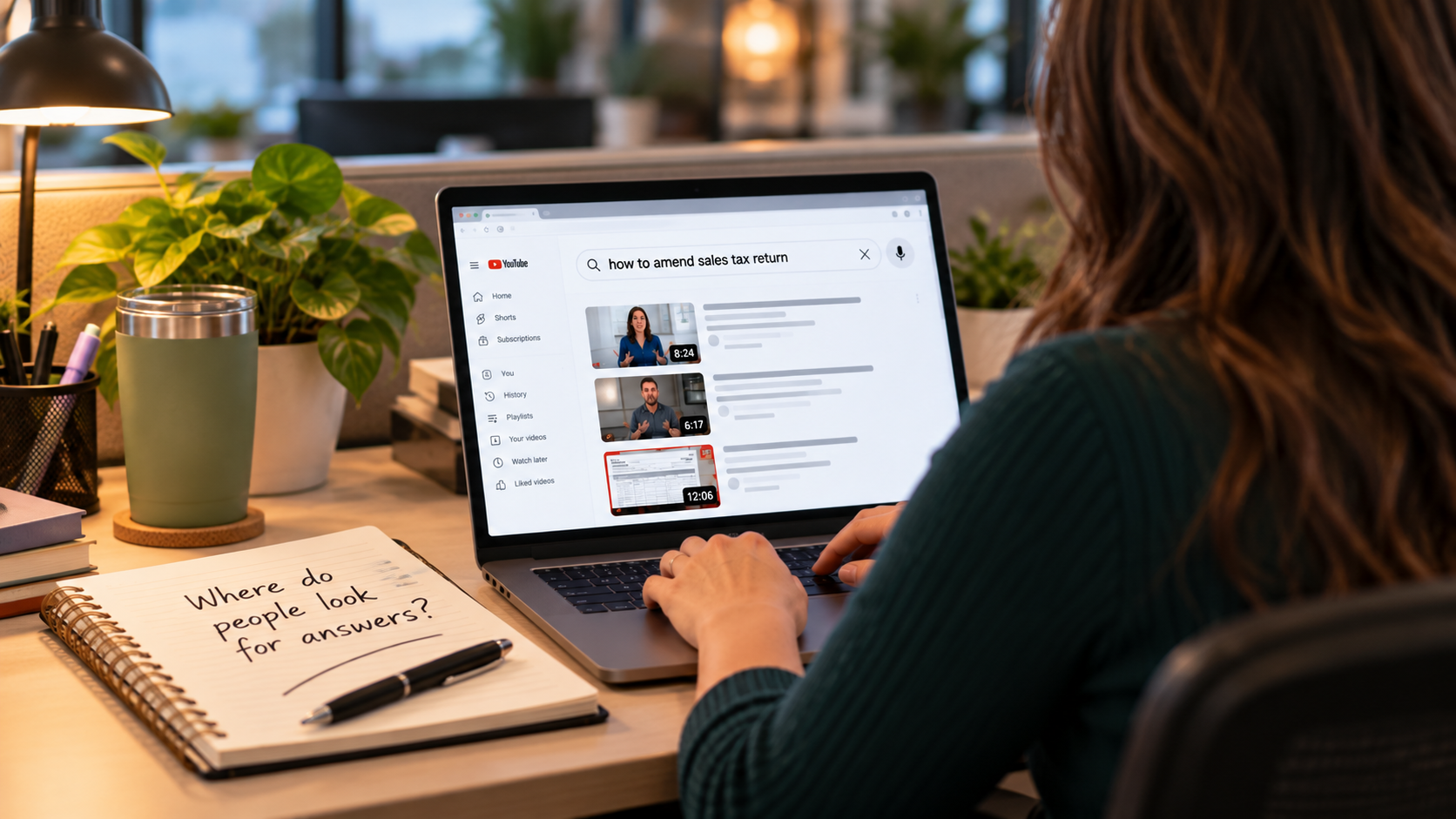
The topics came straight from the front line. Each video answered a question the call center was hearing often, starting with “How do I amend my Form 850 sales tax return?”
The bigger question was where people would find the answers. Years earlier, the agency had chosen Vimeo over YouTube because a former employee didn’t like that YouTube shows other videos next to yours. When we dug into it, the counterpoint was clear: when people have a question, they search Google, and Google owns YouTube. Most viewers also understand that suggested videos are based on their own history, not an endorsement from the agency.
🔀The Options
Change at the Tax Commission didn’t happen fast, so how we introduced the idea mattered as much as the idea itself. There were three ways to approach it:
Keep recording webinars on Vimeo. The status quo. Valuable content, limited reach.
Launch on YouTube right away. My instinct. The right platform, but it meant fighting a long-standing decision before we had anything to show.
Build the videos first, then make the case. My boss’s approach. Prove the concept on the existing platform, then use the results to push for YouTube.
We built first. It gave leadership something real to say yes to.

🗺️The Plan
Start with one video and a repeatable structure.
Clear next steps. My boss would secure the editing software. I only had a Camtasia trial. I would meet with the SME and the call center expert who would present on camera.
A consistent format. For each video: the question, the answer, and an outline to order it. Plus a scripted intro and outro we would reuse every week.
Trust first. I promised the presenter she would see every video before it went to review. No surprises.

🔨The Build
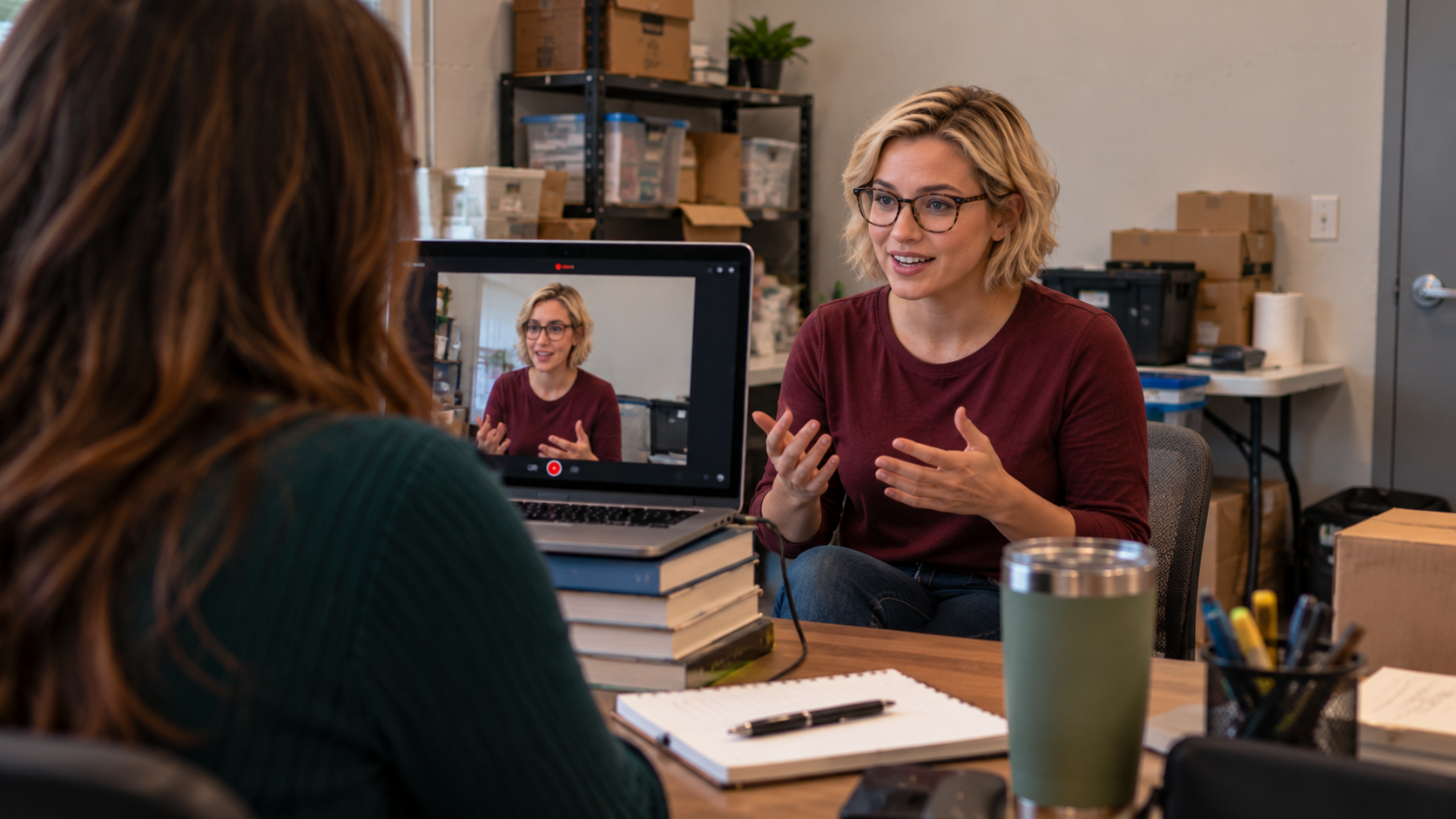
The first video. No camera. No good microphone. No good room. I set my laptop in front of the presenter in a less than ideal space, recorded in Camtasia, and we watched it back together. It was rough. We recorded it a few more times.
The edit. Back at my desk, I relearned the software, found background music we would use throughout, and pulled images to help visualize the answer. This was 2020. No AI tools. Everything came from my own design work and the collaboration with the SME and presenter.
The review. The presenter approved it first, then my boss. His main request: captions burned into the video so they were always on. Leadership saw it, liked it, and Tuesday Tax FAQs was born.
The system. As a weekly series, it needed a repeatable process:
Thursday: 30-minute prep with the SME and presenter on the question, answer, and key points
Friday: record in the morning, start editing
Monday: draft ready
Wednesday: review complete
Tuesday: published
I scheduled recordings with the call center so pulling the presenter off the phones had the least impact. With some funding, we added a camera, microphone, tripod, and lights, and found a location with great sound and a clean background.
The channel. After a few videos on Vimeo, my boss made the case for YouTube, and we made the case together. One leader still had reservations, but it wasn’t enough to hold us back. We tracked down the listed owner of the agency’s YouTube page, which held three old meeting recordings. I rebuilt it from the ground up: branding, description, and organization.
🎯The Outcome
22 Tuesday Tax FAQs videos over more than five months, one every week until we ran out of high-demand topics.
The series moved the agency onto YouTube, where people are already searching for answers. Views started slow. Today, at least 16 of the videos have more than 1,000 views each, and they’re still helping taxpayers find answers.

💡The Reflection
Some ideas take time. I kept a list of mine, and short videos sat on it until the right moment. Planting the idea early meant I was ready when the opportunity showed up.
If I did this again, I would build measurement in from the start. Views are encouraging, but no one has to watch a video. The videos were also shared on the agency’s social media, so the real reach is likely higher than YouTube shows. What I’d want most is call center data on those topics, so I could show whether the videos reduced the calls they were built to answer.